Culture
Dubai's Next Act
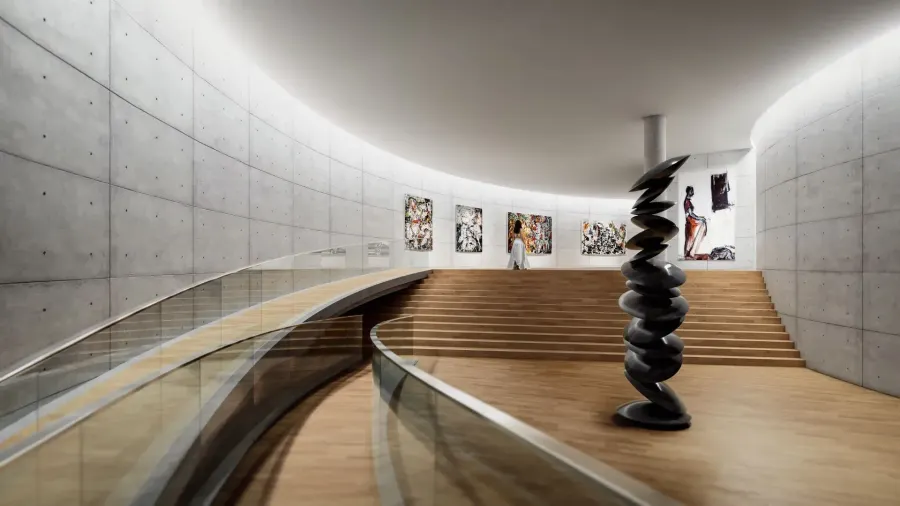
Dubai built an art market first. Now come the museums.
Read story
A point of reference in a world with more choice than clarity.
Editor's Focus
Culture
Dubai built an art market first. Now come the museums.
Read story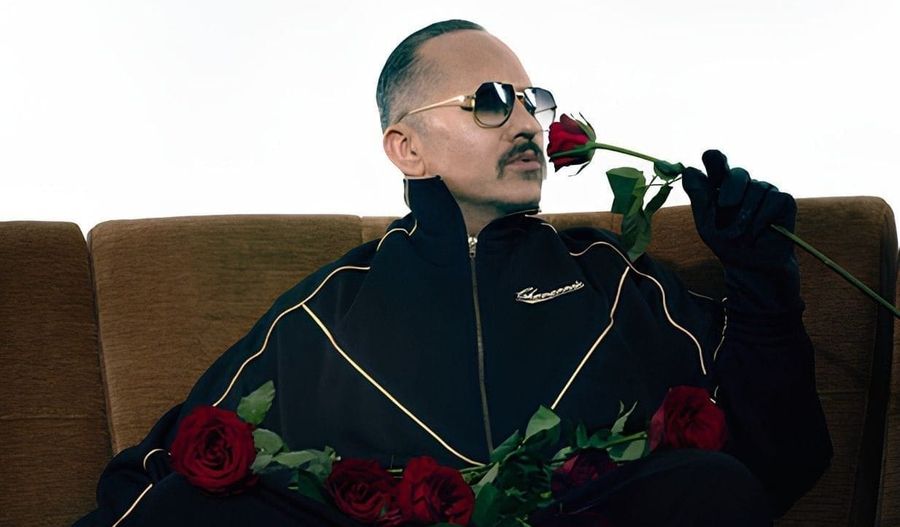
Fashion
His Paris venue was scented with a candle by the Mexican perfumer Xinú. That candle now carries his name.

Culture
Salman Toor’s first European exhibition hangs in the building that owns Manet’s barmaid. His people are seen constantly and explained almost never.
Beauty
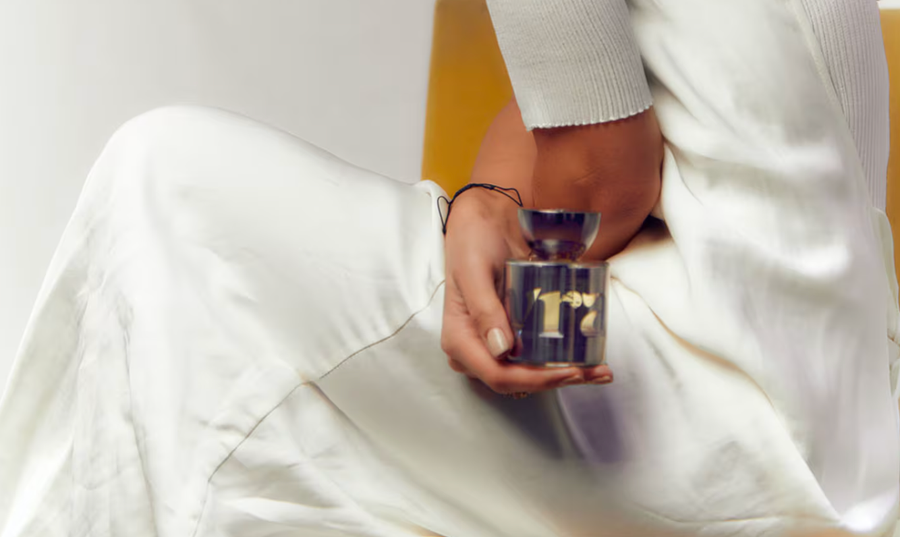
Vyrao has sold perfume as a treatment for mood, with a crystal in every bottle and a neuroscience programme behind the label. Its new majority owner buys brands on the strength of their evidence. Every 50ml bottle of Vyrao’s Witchy Woo contains a Herkimer diamond, a small quartz crystal that the Australian retailer Mecca says has been energised by the brand’s healer, Louise Mita. Other stockists describe the fragrance’s effects more precisely. According to the Science of Wellness programme at I
Hospitality
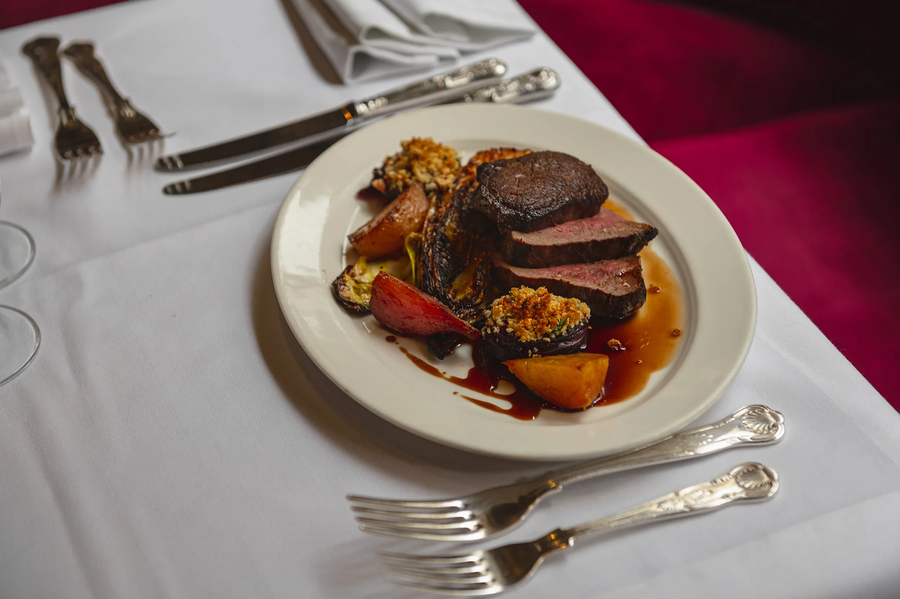
The home of London’s oldest restaurant has been given to the National Trust. The unusual arrangement should ensure that very little changes. Rules has survived two world wars, ten monarchs and London’s periodic enthusiasm for demolishing its own history. Its latest change is rather more reassuring. The building on Maiden Lane where the restaurant has traded for 228 years has been given to the National Trust. Thomas Rule opened it as an oyster house in 1798, and it soon became a fixture of thea
Hospitality
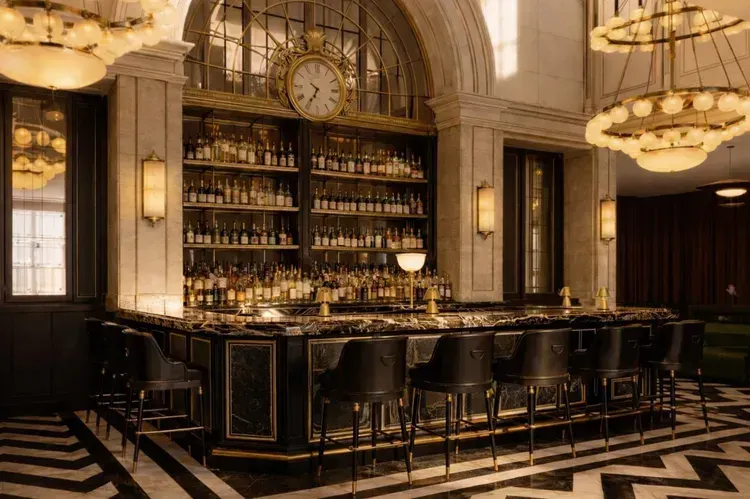
The checkerboard floor is coming to New York. The people who taught the room its manners are not. The Wolseley is coming to New York, although “coming” makes the whole thing sound rather more straightforward than it is. Its address, 130 West 44th Street, has already spent years as a hotel. Built in 1905 for The Lambs, a theatrical club, the building was designed by Stanford White of McKim, Mead & White and later became The Chatwal, with The Lambs Club restaurant downstairs. Hyatt ended its asso
Beauty
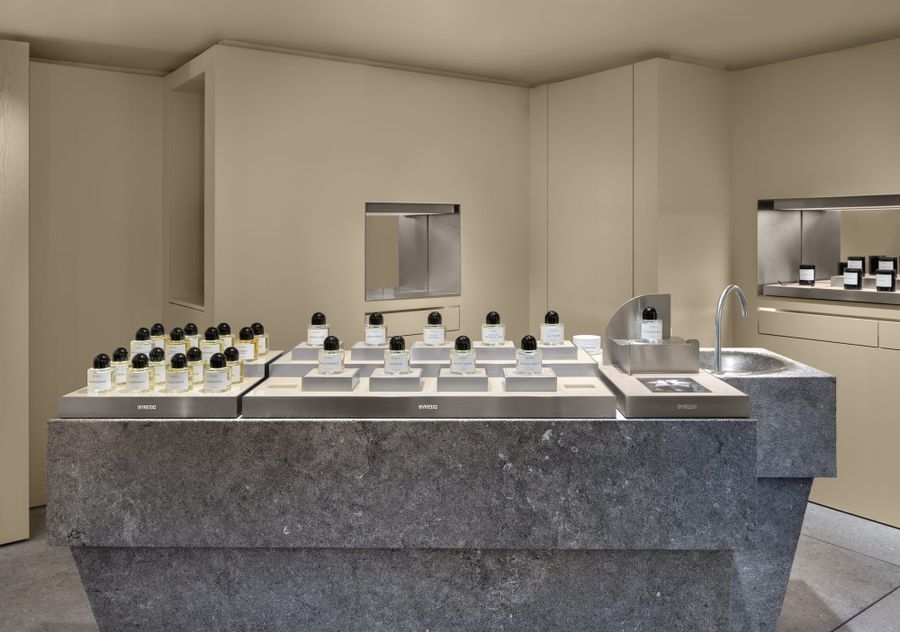
Niche fragrance was once defined by what it stood apart from. As conglomerates and hundreds of new houses enter the category, the word is beginning to lose its meaning. Not long ago, finding an unusual perfume required some effort. A particular shop, a recommendation, perhaps a bottle brought back from another city. Brands were smaller, distribution was selective and encountering somebody wearing the same fragrance was rare enough to feel mildly conspiratorial. Now niche fragrance has conventi
Hospitality
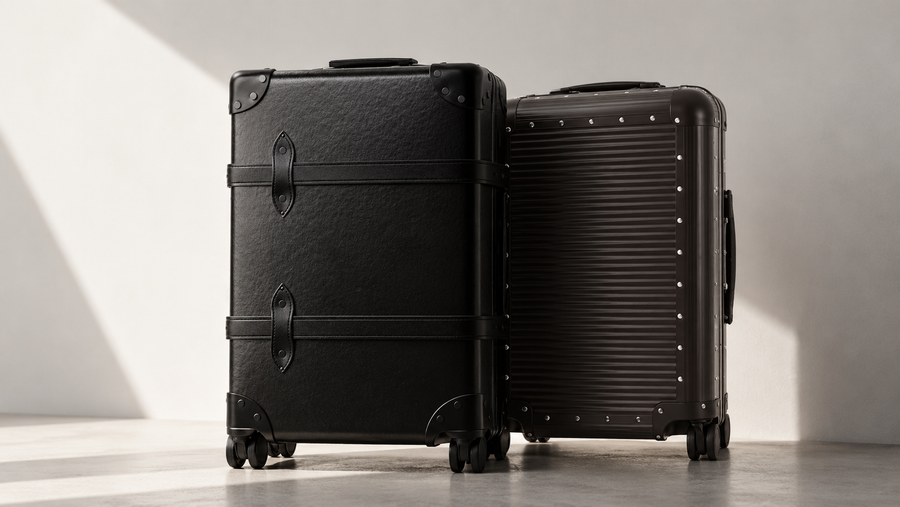
Aluminium, fibreboard, and a plastic shell pressed to look like woven leather. Most suitcases are sold on the promise that travel will become effortless once the correct piece of polycarbonate has been purchased. Airports expose the limits of that argument quickly. The better cases make a smaller claim. Most of that claim rests on the shell: what it is made of, and what happens to it after a few years in the care of baggage handlers. A few are also good-looking. Rimowa Classic Cabin Rimowa'
Hospitality
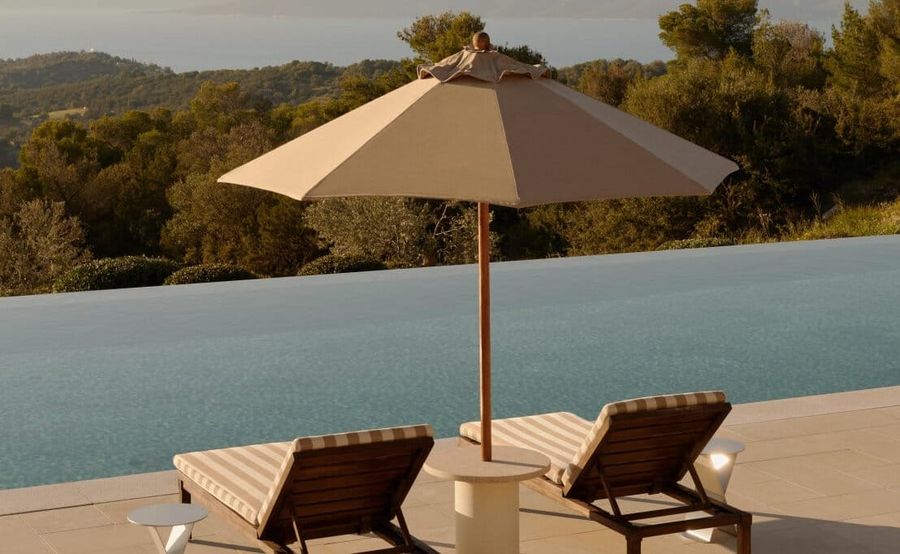
For decades this stretch of the Peloponnese was known mostly to people who already had houses there. It now has two global hotel brands, an Irish packaging financier and close to €2 billion of planned investment. Porto Heli left almost no impression. A small waterfront, a few tavernas, not much else that fixed itself in memory. Beyond the town the road emptied quickly. The houses were mostly along the coast around Agios Emilianos, set well back behind walls and hedges, and their scale was easie
Hospitality
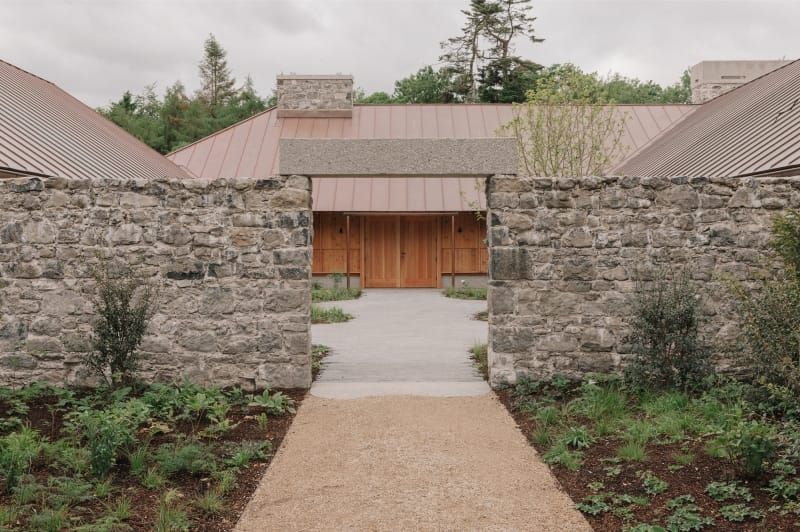
In Abbeyleix, a small town in Ireland’s Midlands, chef Cúán Greene has turned a derelict Victorian house into a restaurant and guesthouse built almost entirely by people he already knew. In September last year, Millbrook House was still without a roof. The Victorian building, once part of the de Vesci family's Abbey Leix estate, had spent years in decline. Its internal walls had collapsed, vegetation had taken hold and little remained beyond the original shell. By July, it had reopened as Ómós,
Hospitality
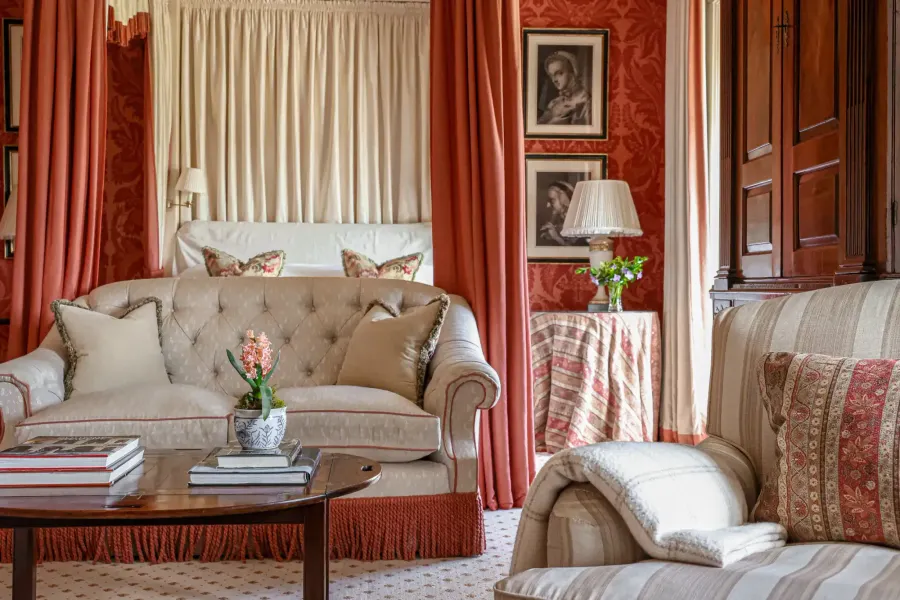
By Friday afternoon, the rain has settled in and any plan involving the car has lost its charm. This is when a hotel begins to earn its keep.
Culture
Find a thing you like now (a restaurant, an artwork, a hotel, a coat) and you barely have the thought before the phone is out. Who knows about it? Has it already been written up, discovered, done to death? Should you have known about it six months ago? The phone is very good at answering all of this. Less useful on the more basic question: what do I like? Taste used to have a little more privacy. You saw somewhere, liked the look of it and went in. Somebody sent you to a bar, or a waiter persu

Culture
As Tate Britain prepares to revisit the decade when fashion, art, photography and nightlife occupied the same rooms, the clothes are the easy part to copy. Juergen Teller photographed Kate Moss in 1998 with pink hair, little apparent production and none of the polish that would later become standard around a model of her stature. David Sims was making fashion pictures that could look almost hostile to fashion. Alexander McQueen turned runway shows into events people still describe from memory.
Restaurants, hotels, bars and shops in four cities.
Explore the Address Book