
Four you can book now. One you cannot. All five have something most luxury hotels spend a great deal of money trying to simulate: a point of view.
The expensive hotel is remarkably easy to recognise. Pale stone, excellent sheets, a sculptural chair, a bathroom large enough to make you reconsider your own housing situation. Nothing about them is badly designed, and you could move half the furniture between them without anyone noticing.
The five below are different. Someone made decisions, some of them debatable. That helps.
Château Voltaire, Paris
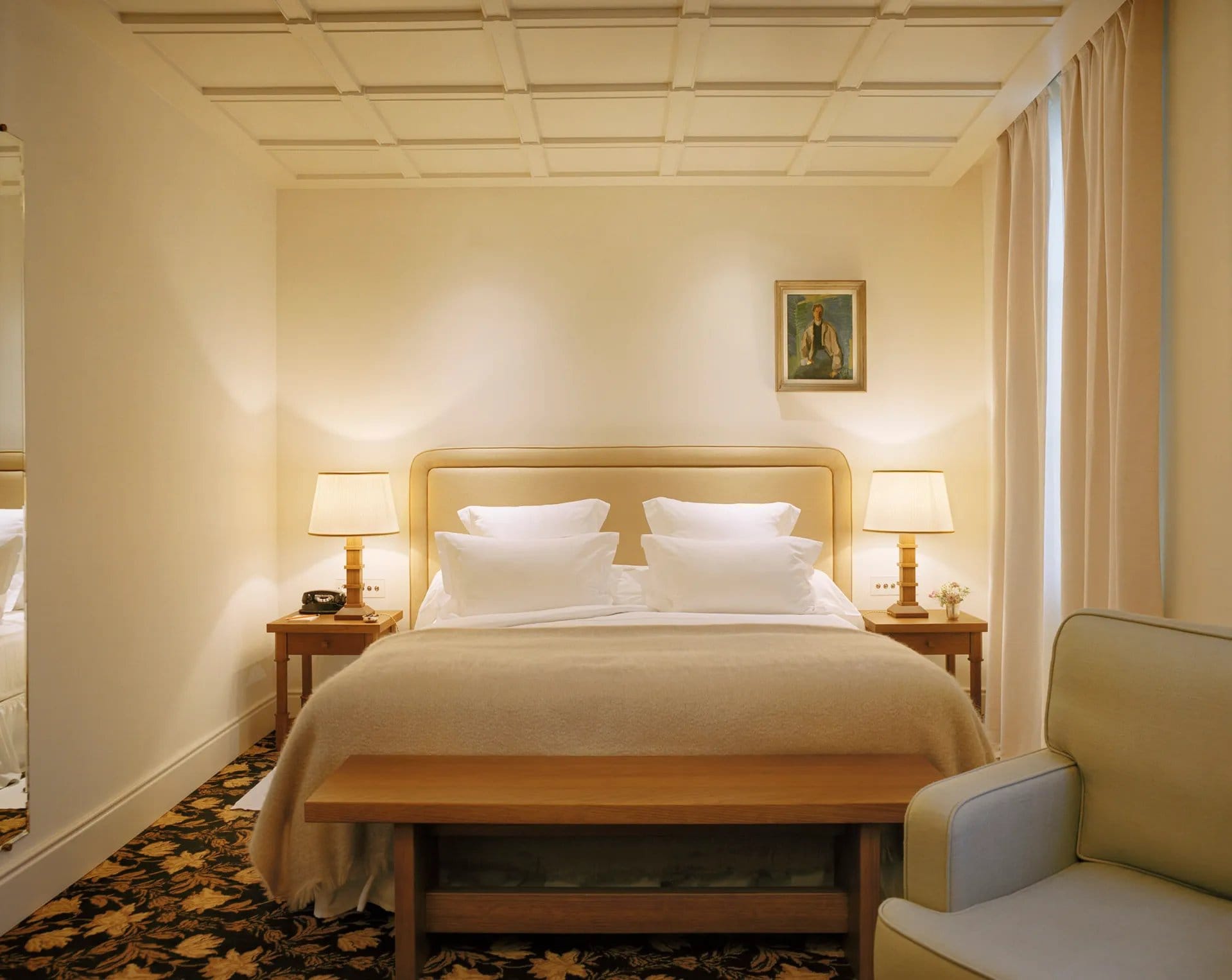
At Château Voltaire, the headboards were made for the rooms. So were the oak sconces, trimmings and much of the woodwork.
Artistic director Franck Durand worked with Festen on the interiors, but the work is easy to miss at first. The hotel occupies three buildings behind the Opéra; its 31 rooms vary depending on which one they sit in. There is no sense that you and whoever you are travelling with have been assigned the same expensive box.
Château Voltaire is controlled without becoming sterile. You notice the decisions, then stop noticing them.
Go for: Paris when you want the hotel to have taste without needing to discuss it.
Ett Hem, Stockholm
A lot of hotels promise to feel like a home. Most still require you to call somebody if you want a boiled egg.
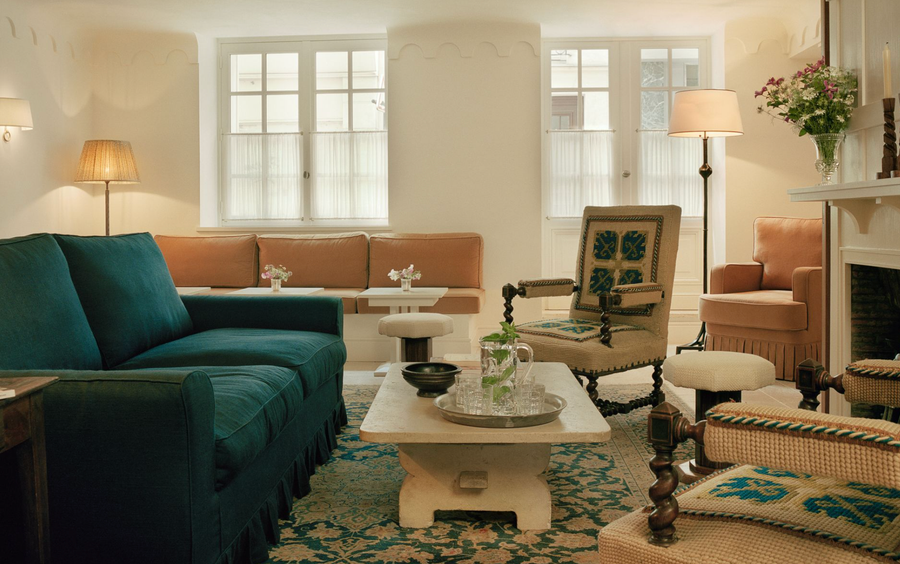
Ett Hem took the idea further. Owner Jeanette Mix worked with Ilse Crawford to turn a 1910 Stockholm house into a hotel without stripping out what made it feel like a home. Guests move through the kitchen, library, sitting rooms and garden without being shown around. Antiques sit beside contemporary furniture. Paintings and objects look accumulated rather than installed.
The rooms downstairs remain useful after you have finished looking at them.
Many beautiful hotels are strangely exhausting places to spend time. Ett Hem gives you somewhere to sit without making the act of sitting feel like a reservation.
Go for: Stockholm when you would rather inhabit the hotel than be processed through it.
Hotel Locarno, Rome
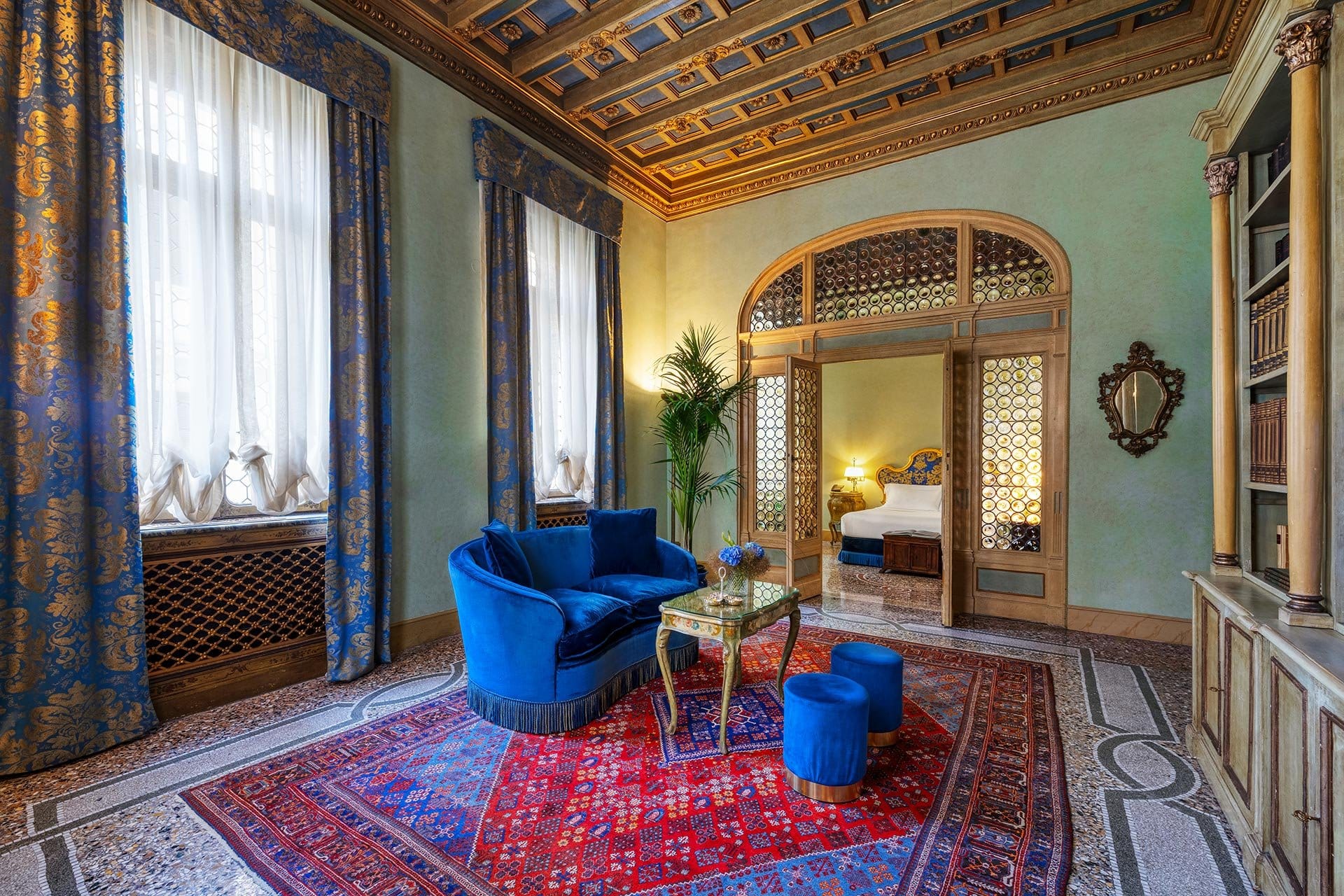
The owners of Hotel Locarno have resisted one of the hospitality industry's strongest urges: making an old building look recently opened.
There are restored frescoes, parquet floors, tapestries, coloured marble, claw-foot baths and antique furniture. The rooms do not all seem to have received the same instructions.
Good.
Rome already has plenty of immaculate hotels where a single curving armchair sits solemnly beneath a Renaissance ceiling. Locarno prefers to let old things remain strange. The danger with places like this is usually the arrival of somebody with excellent taste and a renovation budget. So far, Locarno has survived them.
Go for: Rome after dark, preferably without an early start.
Hotel Il Pellicano, Porto Ercole
The trouble with manufacturing old-world glamour is that people who have actually seen it can usually tell.
Il Pellicano began as a private hideaway in the 1960s before Roberto Sciò bought it in 1979. His daughter Marie-Louise Sciò, now CEO and creative director of Pellicano Hotels, grew up around it.
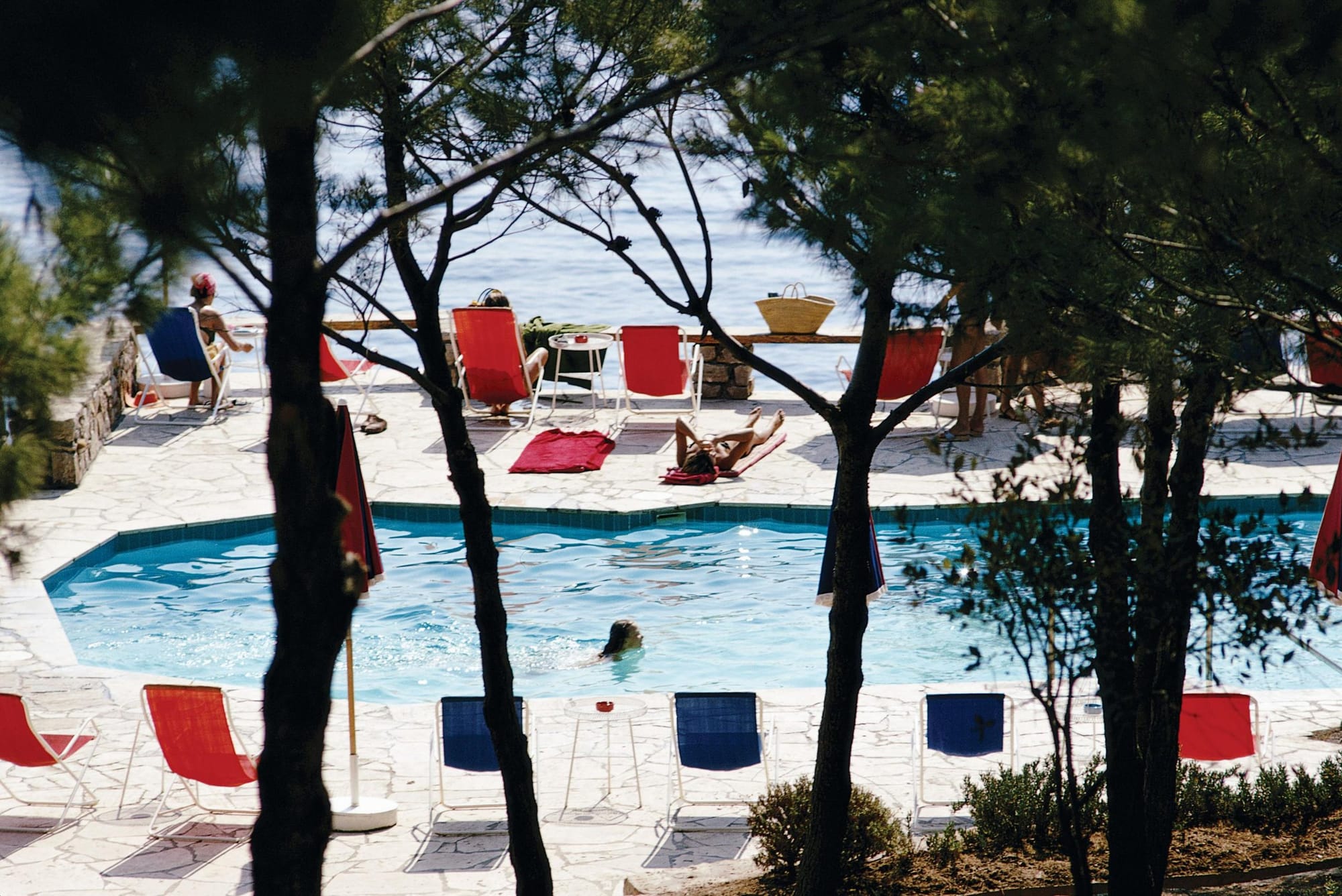
That continuity gives the place an advantage that cannot be bought during a refurbishment. The striped awnings, wicker chairs, terracotta, flowers and sea-facing terraces do not feel like props in a reconstruction of Italian summer glamour. They have simply been there long enough to stop performing.
The Pellicano look has now been copied so often that the original can feel oddly familiar when you first see it. Then the difference becomes obvious. At the copies, somebody has studied the photograph. Here, somebody remembers the summer.
Go for: the Tuscan coast, and the version that came first.
Chiltern Firehouse, London
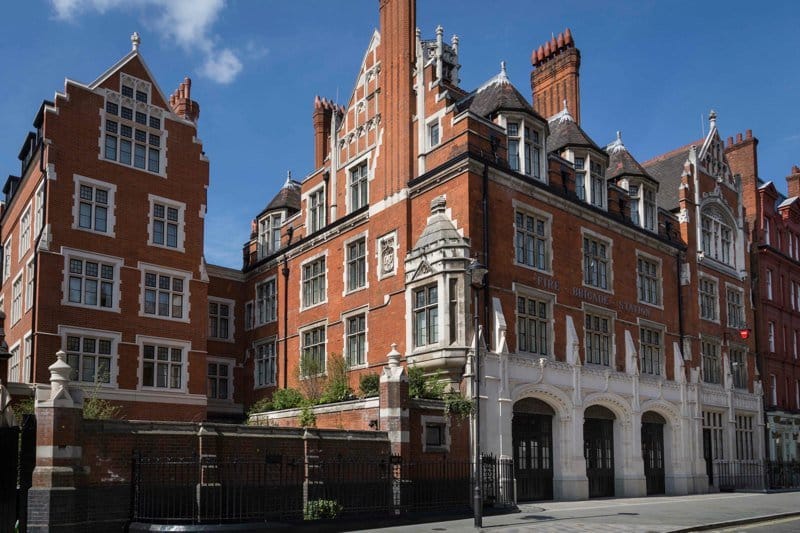
Chiltern Firehouse is closed following the fire that damaged the building in 2025, with a return expected in 2027. It is the one hotel here you cannot book yet.
Before the fire, the former Marylebone fire station had the unusual quality of becoming more convincing once it filled with people. The building kept its old brick, tile and fireplaces; Studio KO added marble bathrooms, art, vintage photographs and rooms comfortable without looking newly completed.
But the bedrooms were never the reason people talked about the Firehouse. Downstairs, the courtyard, restaurant and bar worked at different speeds through the day. Lunch could look almost respectable. By late evening, the same rooms had changed character without anyone having to dim the lights to the point of injury.
That is the difficult thing to restore. Tiles can be replaced. Upholstery can be remade. Atmosphere is less cooperative.
When Chiltern Firehouse reopens, the temptation will be to return every damaged surface to perfection. It would be a shame if they succeeded.
Go for: London in 2027, with luck.