

Niche fragrance was once defined by what it stood apart from. As conglomerates and hundreds of new houses enter the category, the word is beginning to lose its meaning.
Not long ago, finding an unusual perfume required some effort. A particular shop, a recommendation, perhaps a bottle brought back from another city. Brands were smaller, distribution was selective and encountering somebody wearing the same fragrance was rare enough to feel mildly conspiratorial.
Now niche fragrance has conventions of its own: reassuringly heavy bottles, shops in stone and brushed metal, cryptic or knowingly provocative names, founders talking about memory, place and raw materials. A perfume can cost €250 before anyone has established exactly who made it. Much of it is very good. The awkward part is that almost everything outside traditional designer perfumery can now be described as niche, including businesses operating at considerable scale.
The category became successful enough to absorb many of the things it had once defined itself against.
A very successful outsider
Creed changed ownership twice in three years. BlackRock Long Term Private Capital took a majority position in 2020 before Kering acquired the company outright in 2023. Le Labo began in New York in 2006 with a deliberately limited collection and perfumes mixed in-store. Estée Lauder acquired it in 2014. Its City Exclusives remain tied to particular places for most of the year, before the entire collection becomes internationally available each September.
Byredo followed another version of the same route. Founded in Stockholm in 2006, it expanded beyond perfume into beauty, home and accessories before Puig acquired a majority stake in 2022.
The sequence is familiar enough now. A fragrance house becomes desirable because it feels smaller, stranger or more personal than conventional luxury. More people want it, more shops want it, investors notice and distribution widens. Eventually the difficult-to-find perfume is no longer difficult to find.
That does not mean somebody has quietly ruined the formula. Ownership changes are routinely followed by claims of reformulation, sometimes almost before the transaction has settled. Fragrances do change, but ingredients disappear, regulations shift, suppliers change and natural materials vary. Memory is hardly precise either, particularly when a new bottle is being compared with the final few millilitres of one bought ten years earlier.
The more obvious change is context. A perfume discovered in one shop in Paris feels different once it appears in luxury department stores across several continents. The liquid may be much the same; the experience around it is not. Scarcity was doing more work than anyone liked to admit.
The niche aesthetic
The success of niche perfume has produced a strange amount of sameness. Walk around a large fragrance exhibition and the variations begin to blur: earnest founder stories, expensive materials, high concentrations, minimal packaging, a suggestion of rarity and a bottle heavy enough to damage a bathroom floor.
The alternative has acquired conventions of its own. The word niche now covers ownership, distribution, scale and appearance, often without making much distinction between them. Sometimes it means little more than a fragrance brand that does not also make handbags.
An independent perfumer producing a few thousand bottles can sit in the same retailer category as a company owned by a multinational group and sold internationally. Both are niche according to the menu.
New brands complicate matters further because they no longer need to look new.

Contrapposto arrived in 2023 looking finished. Founded by Nick and Casey Axelrod-Welk, the Los Angeles house covers fine fragrance, skincare and aesthetic medicine. Nick Axelrod-Welk had already co-founded Into The Gloss and Nécessaire and later worked on Homecourt. The perfumes are composed by established names including Frank Voelkl, Natalie Gracia-Cetto and Shyamala Maisondieu.
The branding is resolved, the photography is resolved and the perfumers are credited. Nobody appears to be learning in public. Twenty years ago, that degree of polish might have suggested an established house. Now a new fragrance brand can arrive with the whole thing already in place.
Contrapposto is independent and new, but not remotely marginal. That combination is increasingly ordinary.
What independence looks like
Once the visual clues stop being useful, the people behind the perfume become more revealing.
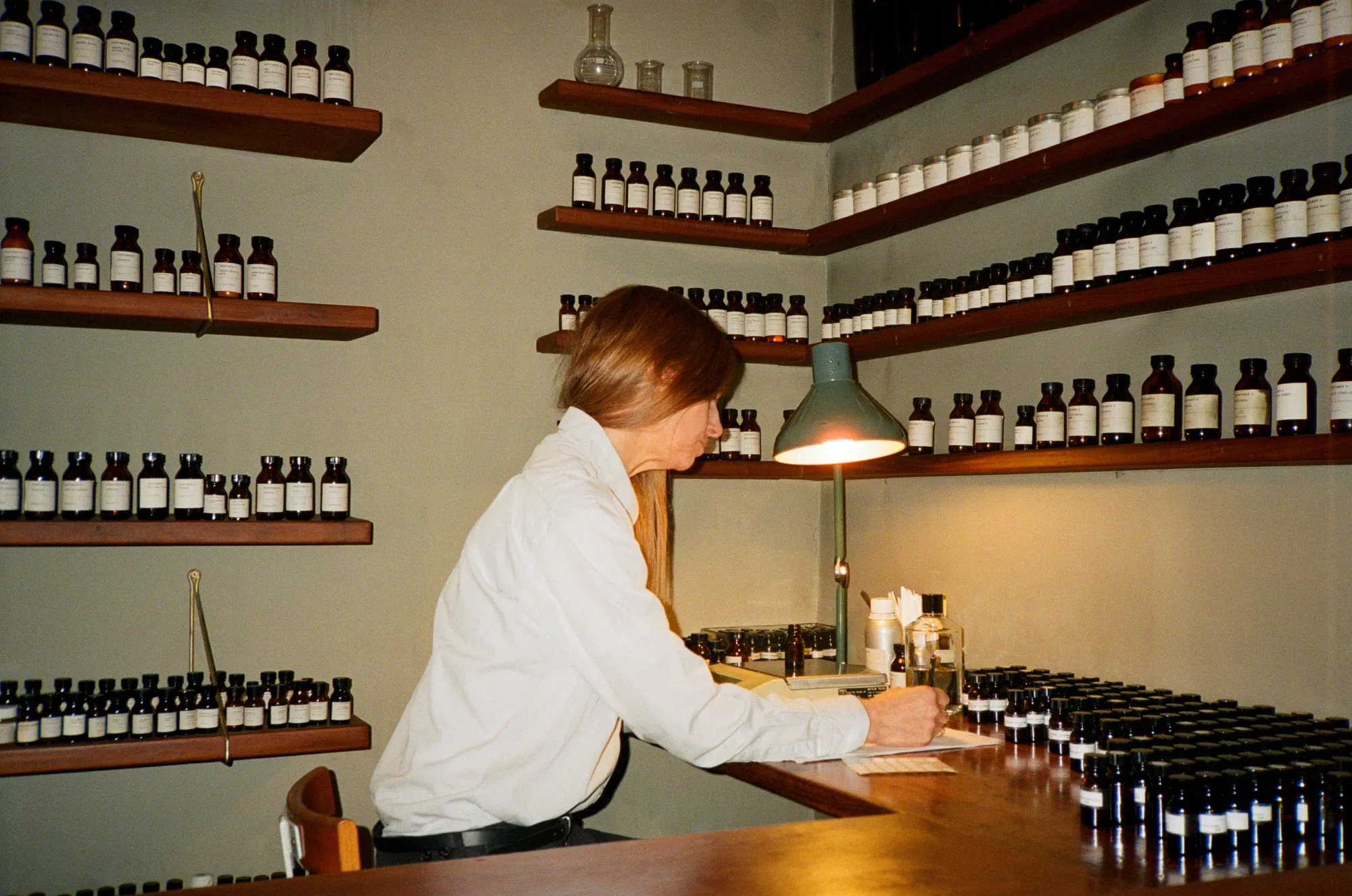
Perfumer H is a good example. Lyn Harris trained in Paris before spending five years at Robertet in Grasse. In 2000 she established Miller Harris with Christophe Michel and built it into an international perfume business. Perfumer H followed in 2015 and was deliberately smaller.
Harris has described walking through Regent’s Park between her Primrose Hill home and her London shop and laboratory, collecting leaves, flowers, bark and seedpods as she goes. Sometimes the reference is straightforward: a flower, a leaf, something green crushed between the fingers. Sometimes it is simply the park after rain. She takes those impressions back to the laboratory and works from there.
That says more about the house than another paragraph about storytelling. Perfumer H is not visually modest. The shops are beautiful, the bottles are beautiful, and Harris works with glassmaker Michael Ruh on handblown vessels that have become recognisable in their own right. Harris, though, is still plainly present in the work. The perfume does not feel like an accessory to the brand.
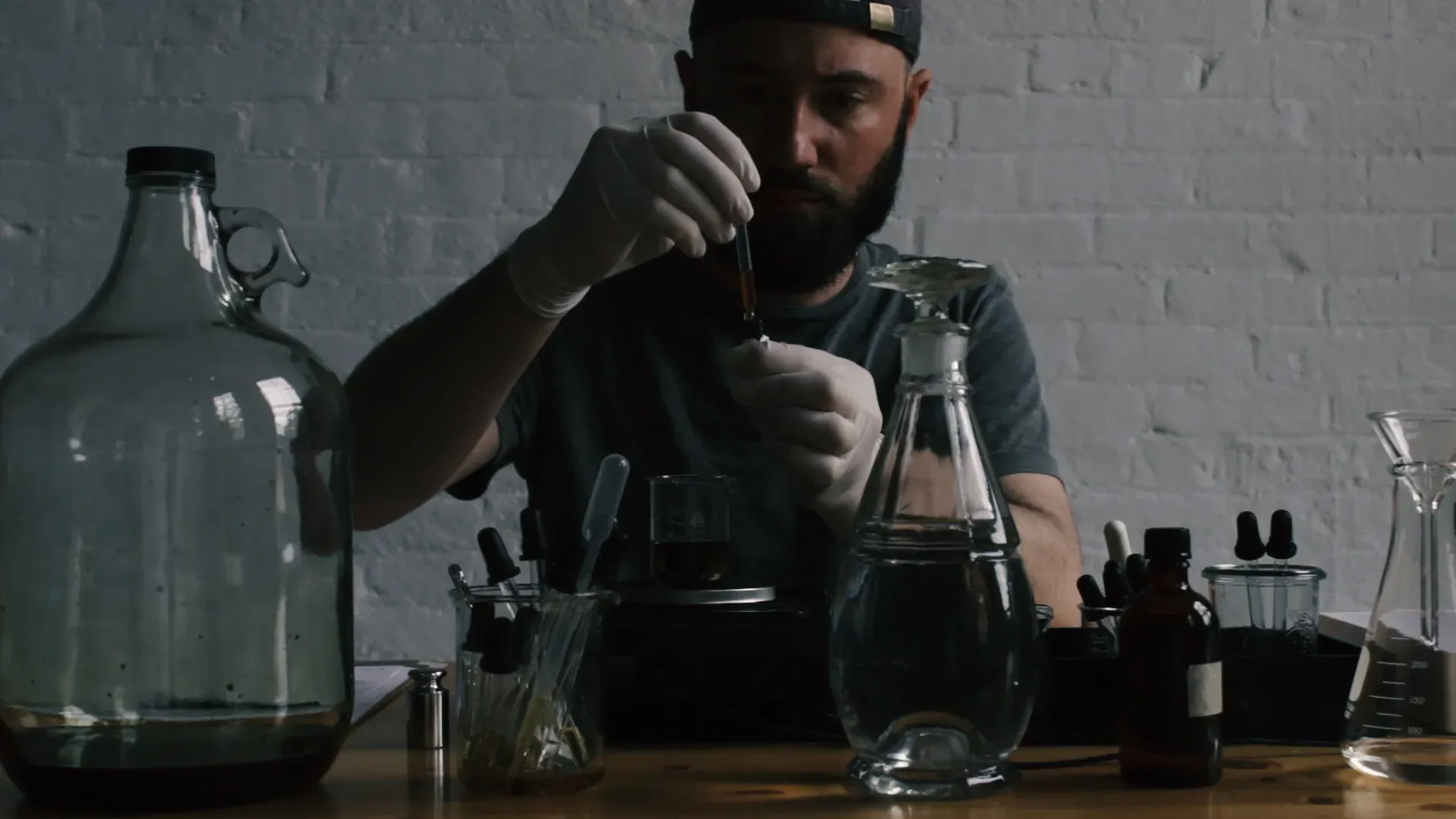
At Hendley Perfumes, the connection is even more direct. Hans Hendley formulates, blends, bottles and labels the perfumes himself.
Kismet Olfactive is similarly easy to trace back to a person. Shabnam Tavakol studied at the Grasse Institute of Perfumery before founding the house and continues to work as its perfumer. The point is not that every founder should make everything themselves, but that with Kismet the line between the idea, the person and the finished perfume is unusually short.
The distinction becomes obvious in a perfume such as Nostalgia, which Tavakol built around the fourteen-line structure of a sonnet, using fourteen materials. It is a conceptual conceit, certainly, but one connected directly to the formulation rather than applied by a marketing department afterwards.
Neither arrangement is a guarantee of quality. A perfumer filling their own bottles is perfectly capable of making something uninteresting. It does, however, mean that the name on the front does not lead to a maze.
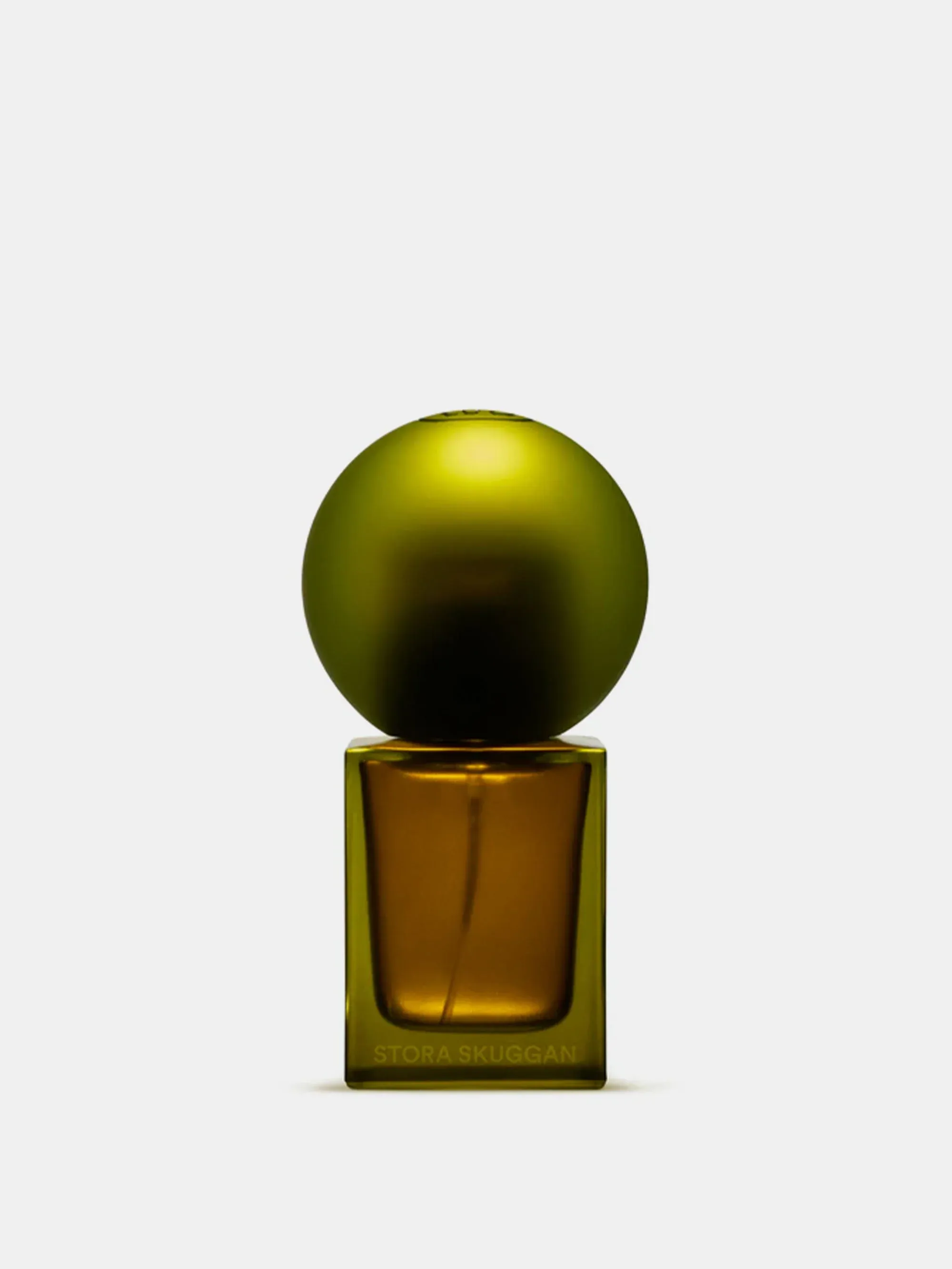
Stora Skuggan handles the question more bluntly. Asked on its own website who its perfumers are, the Stockholm house answers: “We are.”
The perfumes, packaging, artwork and elaborate stories are produced within the collective. There are enormous spherical caps, extinct plants, mythology, pseudoscience and the occasional suggestion that somebody has spent too much time reading about unidentified flying objects. The strangeness is not added afterwards. It runs through the whole thing.
MAD et LEN comes at it through materials. The house works in the south of France and produces perfume alongside candles, mineral potpourri and hand-worked iron objects. Its blackened metal, dark glass and apothecary references have since become familiar enough to resemble a niche-fragrance starter pack.
That is not really MAD et LEN’s fault. The look has simply been copied often enough to stop looking unusual.
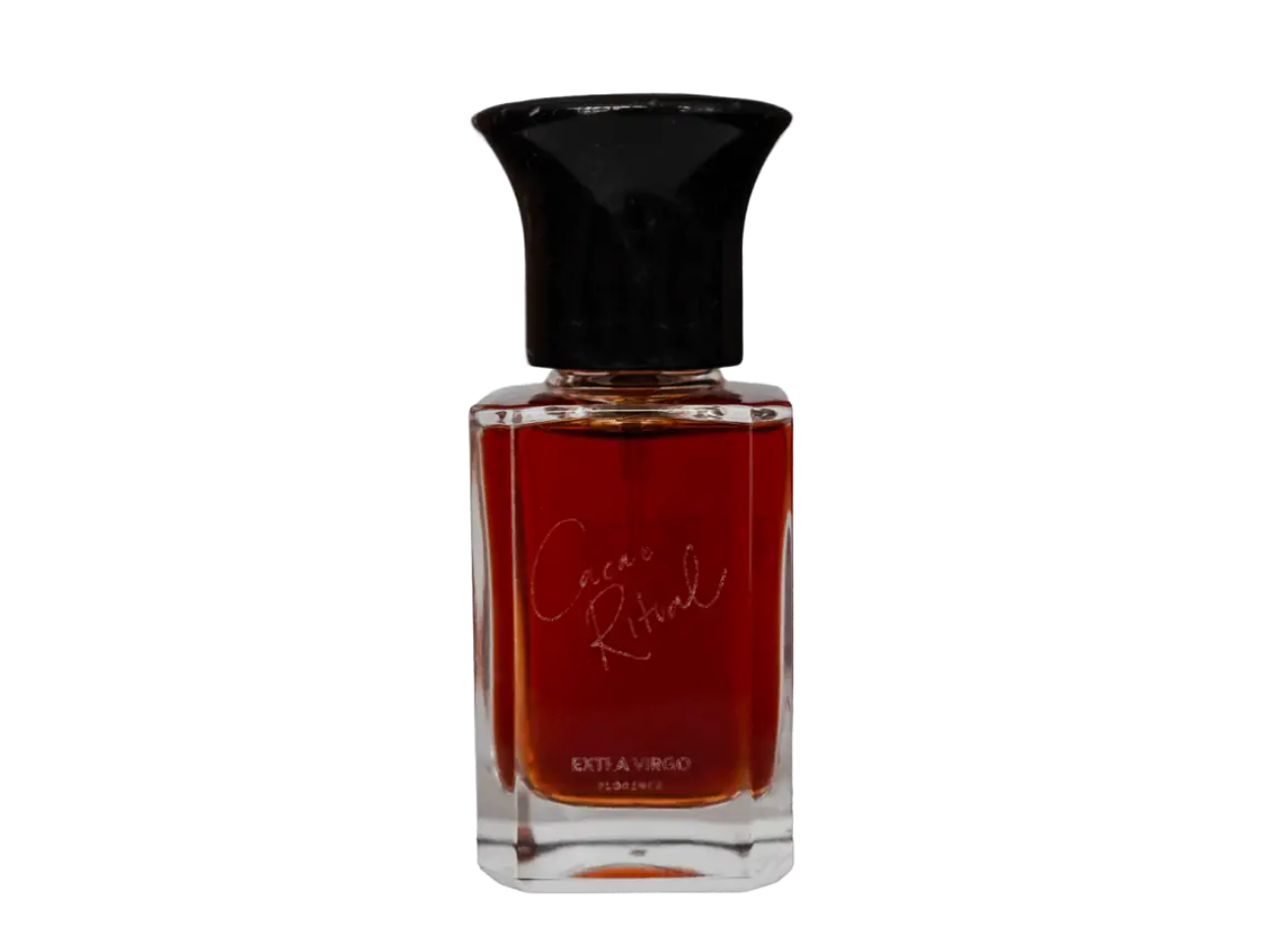
Extra Virgo offers a useful break from all the restraint. Its Florentine world is full of flowers, bees, marble, incense, medicinal plants and quite a lot of visual drama. It is neither quiet nor especially interested in pretending to be.
Independent perfume does not need another beige room.
The founder does not have to be the perfumer
Another habit has crept into fragrance marketing: the idea that a founder becomes more convincing by doing everything. Perfume has never worked so neatly.
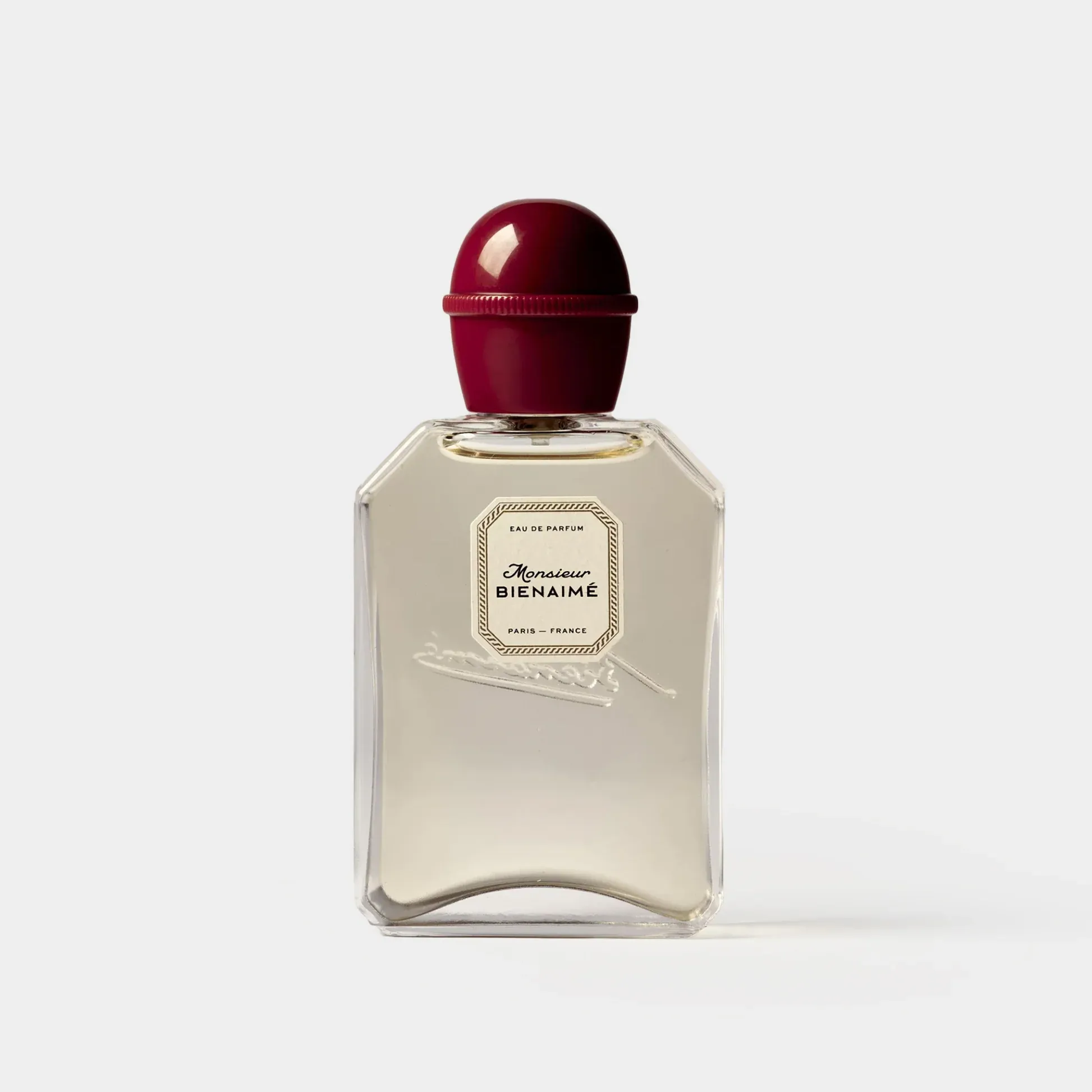
Bienaimé offers a different model. Robert Bienaimé founded the original French house in 1935. After decades of dormancy, Cécilia Mergui acquired the name in 2019 and relaunched it in 2021.
Mergui does not present herself as the perfumer. Vesprée credits Marie Schnirer, a Paris-trained perfumer whose work also includes fragrances for BDK Parfums.
It should not be remarkable, but clarity about authorship has become oddly refreshing. Mergui revived the house and directs it; Schnirer made the perfume. Nothing is lost by saying so.
Contrapposto works in much the same way. Its founders bring in experienced perfumers and put their names beside the work. No mythology is required about someone discovering an innate gift for composition shortly before launching a company.
At Régime des Fleurs, the arrangement is different. Alia Raza identifies herself as founder, perfumer and artistic director. The house is polished and widely stocked, but authorship is not obscured. A small company is allowed to have good photography.
What comes after niche?
None of this settles whether a perfume is good. Le Labo can belong to Estée Lauder and make something somebody wants to wear for twenty years. Byredo did not become irrelevant when Puig arrived. An independent house can be dull, derivative or exceptionally good at describing a perfume nobody particularly wants to smell.
Ownership, authorship, scale and distribution are often bundled together when they needn’t be. They describe different parts of the business.
Who owns the company? Who made the perfume? Who decides what gets released? Where is it produced? How far has it travelled from the person whose name or story is being used to sell it?
Those questions tend to reveal more than niche does now.
Niche perfume became desirable enough for its codes to travel much further than the businesses that established them. The heavy bottle, the quiet shop, the founder story and the language of rarity are now available to almost anyone with the budget and the right agency.
Niche once described a way of operating. Increasingly, it describes where something sits in the market.
The question is whether anyone can still smell the difference.