
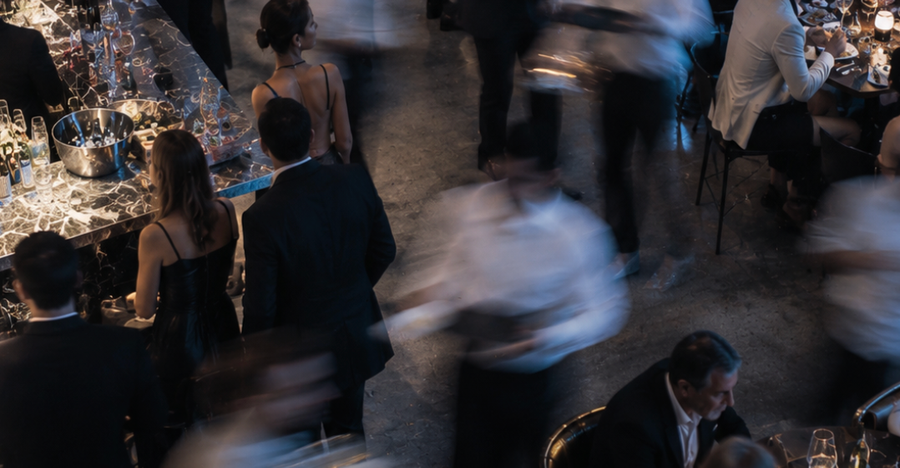
Find a thing you like now — a restaurant, an artwork, a hotel, a coat — and you barely have the thought before the phone is out. Who knows about it? Has it already been written up, discovered, done to death? Should you have known about it six months ago?
The phone is very good at answering all of this. Less useful on the more basic question: what do I like?
Taste used to have a little more privacy. You saw somewhere, liked the look of it and went in. Somebody sent you to a bar, or a waiter persuaded you to order something you would never have chosen yourself. You heard a song in a shop and spent three days trying to work out what it was. Sometimes the recommendation was awful. Sometimes the restaurant was empty for a reason. You survived. You formed an opinion before anybody had the chance to lend you theirs.
A restaurant opens. A few people go. Other people notice which people. Somebody posts the bread. Somebody else posts the bathroom. The reservation becomes difficult, which makes everybody want one. The place gets photographed, saved, recommended and discussed until it seems as if everyone found it during the same week. Six months later, it's gone quiet.
The food hasn't necessarily changed. The chairs are where they were. The chef may even be cooking better. There's just somewhere else now, and everyone knows it.
Cities can feel small because of this. You fly somewhere new and find yourself in a room with the same people you saw in the last city, eating roughly the same food under very similar lighting. The menu is local, apparently. The crowd is international. You recognise the restaurant before you recognise the street.
You used to find places through friends, through habit, through luck, through getting something wrong. A bar became your bar because you kept ending up there. A hotel mattered because something happened in it. A restaurant became part of a life through birthdays, bad dates, long lunches and the waiter eventually knowing what you drink.
Taste, left alone, moves slowly. You can love a hotel with terrible bathrooms, keep ordering a dish nobody else seems interested in, prefer the work an artist made ten years ago, own the same coat for fifteen winters and have no particular desire to improve on it.
Some places stay with you because of who you were the first time you went. A song becomes inseparable from a summer. A chair reminds you of a house you no longer live in. A restaurant can have its faults and still matter because something in your life happened around one of its tables.
Recommendations have always existed, of course. Most people would be lost without them. Advice once came from people whose judgment you knew well enough to mistrust in specific areas. One friend knew restaurants. Another should never have been allowed near a hotel booking. Now it arrives from everywhere at once. You open your phone and discover that everybody is going to the same hotel in Sicily.
What has changed is the speed at which you can check your reaction against everyone else's. Before you have properly decided what you think, there are reviews, rankings, photographs, comments and somebody with very good lighting telling you what the correct order is. You begin editing yourself before you've even reacted.
Some of the fun goes with it: the room to get things wrong. To love somewhere unfashionable for reasons you cannot quite explain. To dislike something you know is supposed to be good. To return to a place everybody else finished with two years ago because you still like being there.
I like people who keep going back. The couple who have eaten in the same restaurant every Friday for twenty years. The person who stays in the same hotel because they know which room gets the afternoon sun. Someone who buys the same shoes again when the old pair gives out. Having no interest in the replacement feels almost luxurious now.
You learn a place once the novelty has gone. You notice the staff, know which table you prefer, stop photographing it, start bringing people you care about. Eventually, it becomes somewhere you actually go, rather than somewhere you've saved to a folder called Paris.